
Key Summary
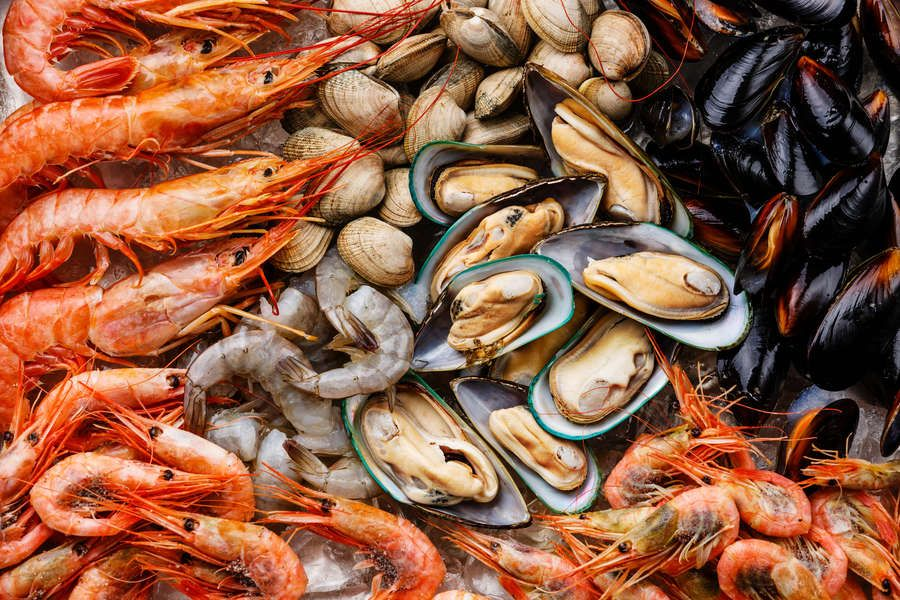
Seafood sustainability ensures responsible fishing and aquaculture practices that protect ocean ecosystems and future food supplies. Environmental benefits: protects marine habitats, reduces bycatch, prevents overfishing, and supports climate-friendly practices. Health benefits: cleaner, safer seafood with higher nutritional value.
Seafood is a nutritional powerhouse and a cultural staple worldwide. But unsustainable fishing practices have led to overfishing, habitat loss, and declining marine populations.
Choosing sustainable seafood ensures we enjoy high-quality, safe fish without compromising the health of our oceans. For consumers, restaurants, and policymakers, understanding the benefits of seafood sustainability is critical for protecting both people and the planet.
What Is Seafood Sustainability?
Seafood sustainability refers to responsible harvesting practices that maintain fish populations and ecosystems over time, balancing environmental, economic, and social factors.Certified programs like the Marine Stewardship Council (MSC) ensure fisheries meet science-based standards for sustainability and traceability.
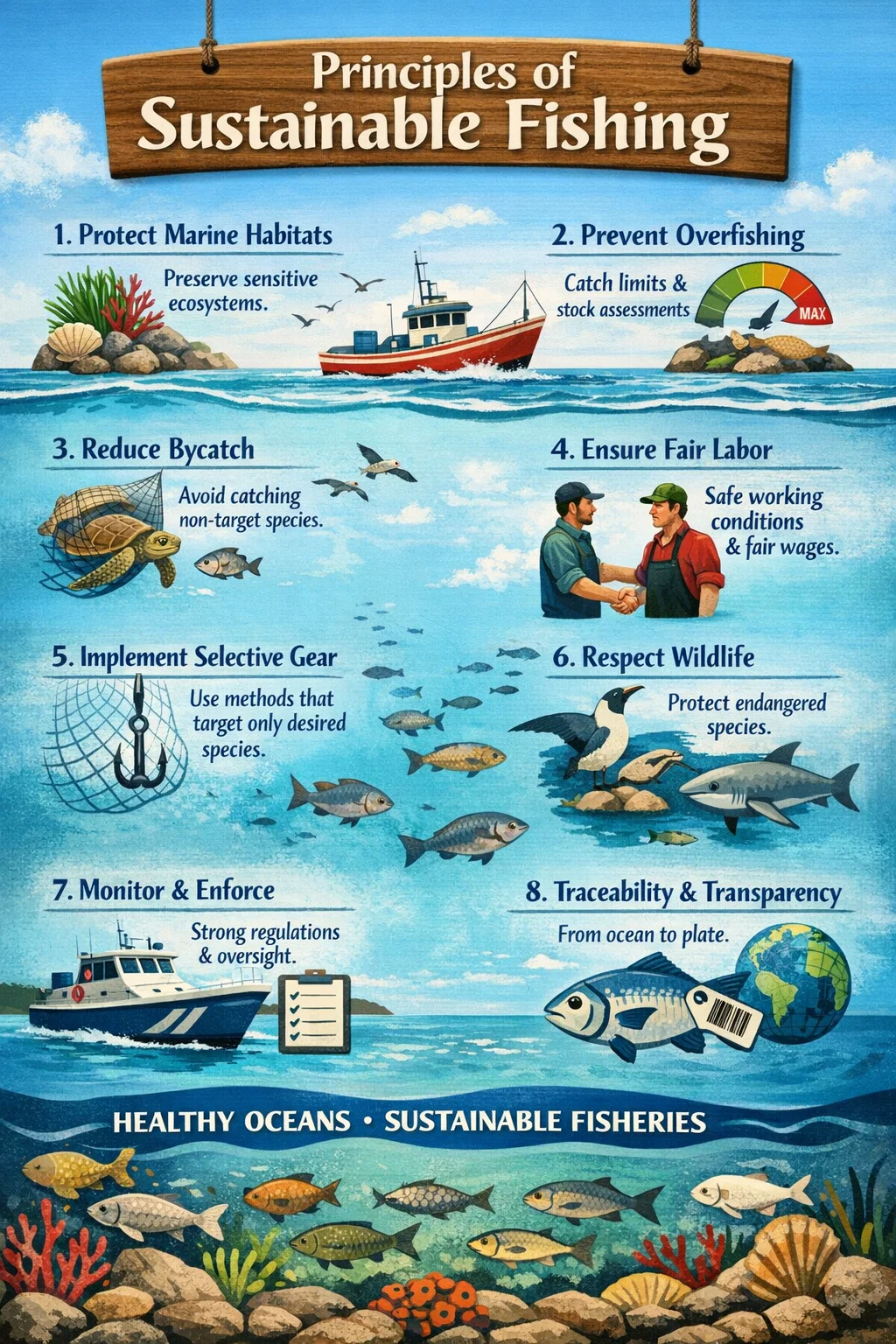
Key Principles of Sustainable Seafood:
- Preventing overfishing
- Protecting marine habitats
- Reducing bycatch
- Supporting ethical labor practices
- Promoting traceability
Environmental Benefits of Seafood Sustainability
1. Protects Marine Ecosystems
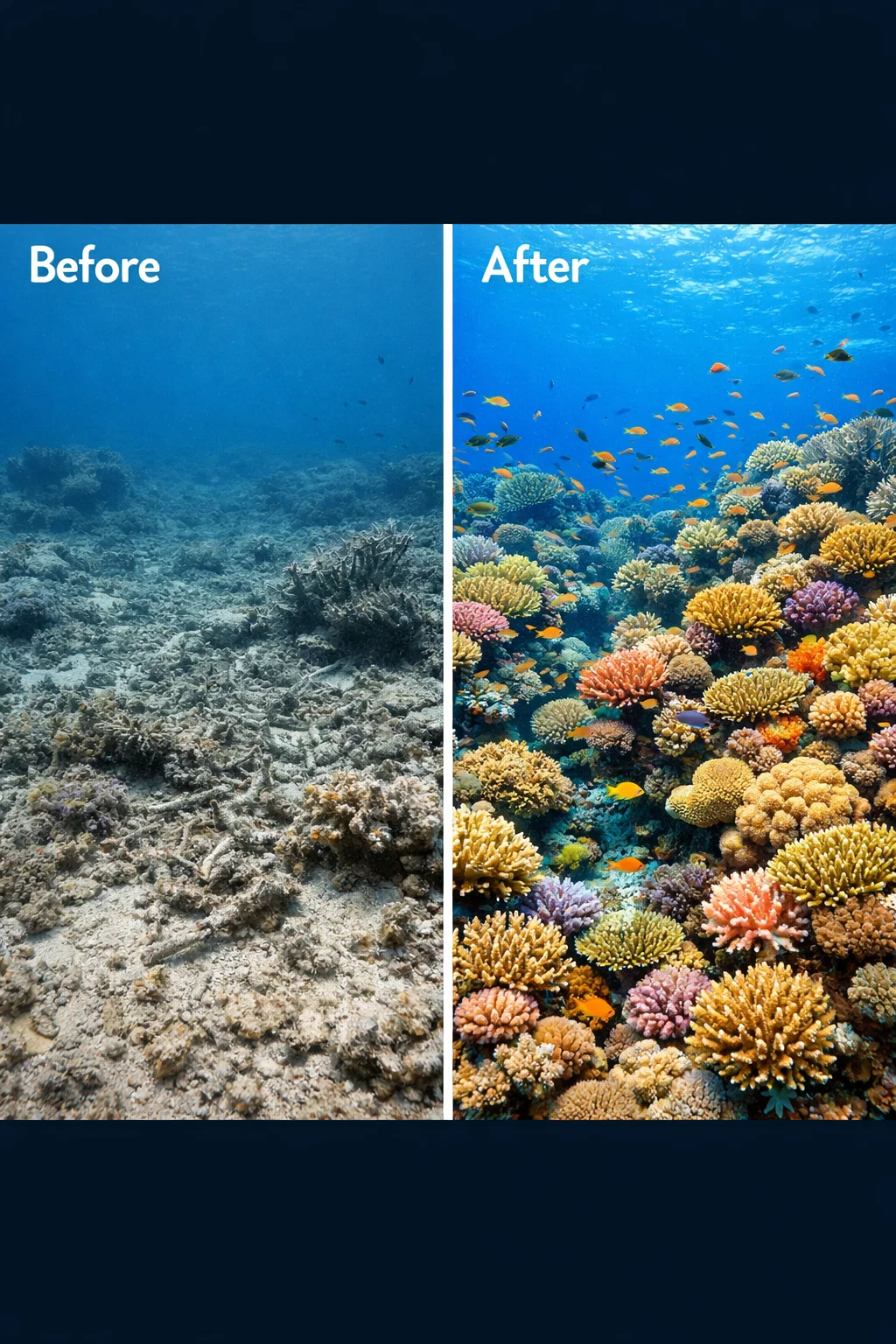
Unsustainable fishing damages coral reefs, seagrass beds, and ocean floors. Sustainable practices allow habitat regeneration, maintaining biodiversity and ocean health.
2. Prevents Overfishing and Species Extinction
Science-based catch limits, seasonal regulations, and marine protected areas ensure fish populations can recover and thrive.
3. Reduces Bycatch and Ocean Waste
Selective fishing gear and monitoring technologies reduce accidental capture of non-target species such as turtles, seabirds, and juvenile fish, which helps protect vulnerable wildlife.
Health Benefits of Sustainable Seafood
4. Safer and Cleaner Food
Sustainable seafood is subject to stricter regulations, reducing exposure to mercury, antibiotics, and pollutants.
5. Higher Nutritional Quality
Sustainably farmed and wild-caught fish maintain higher levels of Omega-3s, protein, vitamins, and minerals. Check out our detailed guide on seafood and mushrooms for weight loss for healthy meal ideas.
Practical Cooking Tips at Home
Sustainable seafood doesn’t just benefit the environment and health; it’s versatile and delicious. If you’re unsure how to prepare it safely and creatively, explore our step-by-step instructions on how to cook seafood at home.
Economic and Social Benefits
6. Supports Fishing Communities
Sustainable practices provide stable jobs and income for coastal communities and small-scale fishermen.
7. Strengthens Global Food Security
By preventing depletion of resources, sustainable seafood ensures reliable protein sources for future generations.
Climate Change Benefits
8. Lower Carbon Footprint
Sustainable seafood emits fewer greenhouse gases and uses less land and water than livestock farming.
9. Protects Ocean Carbon Sinks
Healthy oceans, seagrass beds, and mangroves absorb carbon naturally, slowing climate change.
Consumer Benefits
10. Transparency and Ethical Sourcing
Certifications, labeling, and traceable supply chains help consumers make informed choices.
11. Encourages Responsible Industry Practices
Demand for sustainable seafood incentivizes businesses to reduce environmental impact and innovate responsibly.
Frequently Asked Questions
Yes, it protects marine habitats, reduces bycatch, and prevents overfishing.
Often, yes. Healthier fish from cleaner ecosystems have better flavor and texture.
Yes. Responsible fisheries and aquaculture provide an efficient and renewable protein source.
It builds brand trust, meets consumer demand, and ensures long-term supply stability.
Look for certified labels (MSC, ASC), local sourcing, and transparent supply chain information.
Final Thoughts
Sustainable seafood protects oceans, communities, and human health, ensuring that future generations can enjoy abundant, nutritious seafood. By making informed choices, whether as consumers, chefs, or policymakers, we reinforce responsible practices that strengthen ecosystems, support economies, and contribute to global food security.
Choosing sustainability is both an ethical commitment and a practical strategy for long‑term environmental stewardship. If you’re searching for fresh seafood near me, opting for sustainably sourced options guarantees not only high-quality taste but also supports ocean-friendly practices.
References
Is seafood with the MSC label really sustainable? https://www.msc.org/about-the-msc/is-seafood-with-the-msc-label-really-sustainable?utm_source=chatgpt.com
WWF Seafood Sustainability https://seafoodsustainability.org/fisheries/?utm_source=chatgpt.com