Key Summary
Cooking seafood at home can feel intimidating, but with the right approach, it becomes an enjoyable, rewarding, and healthy habit. From choosing fresh or frozen fish to mastering cooking methods like grilling, steaming, and baking, this guide walks you through everything step by step.
Many home cooks hesitate when it comes to seafood. They worry about overcooking delicate fillets, feel unsure about how to clean and season different varieties, or simply don’t know how to tell if fish is fresh and safe. Because of these uncertainties, seafood often gets labeled as a “restaurant-only” dish, something best left to professionals.
But avoiding seafood at home means missing out on one of the most nutritious sources of protein available.By skipping seafood in your own kitchen, you also end up limiting dietary variety, spending more on restaurant meals, and missing the satisfaction of a healthy, home-cooked plate.
The good news is that cooking seafood isn’t nearly as complicated as it seems. With a few easy-to-learn techniques and the right preparation tips, you can serve fish and shellfish that are flavorful, tender, and restaurant-worthy , right from your own stove, grill, or oven. This guide will walk you through each step, from shopping smart to seasoning and cooking with confidence.
Choosing the Right Seafood
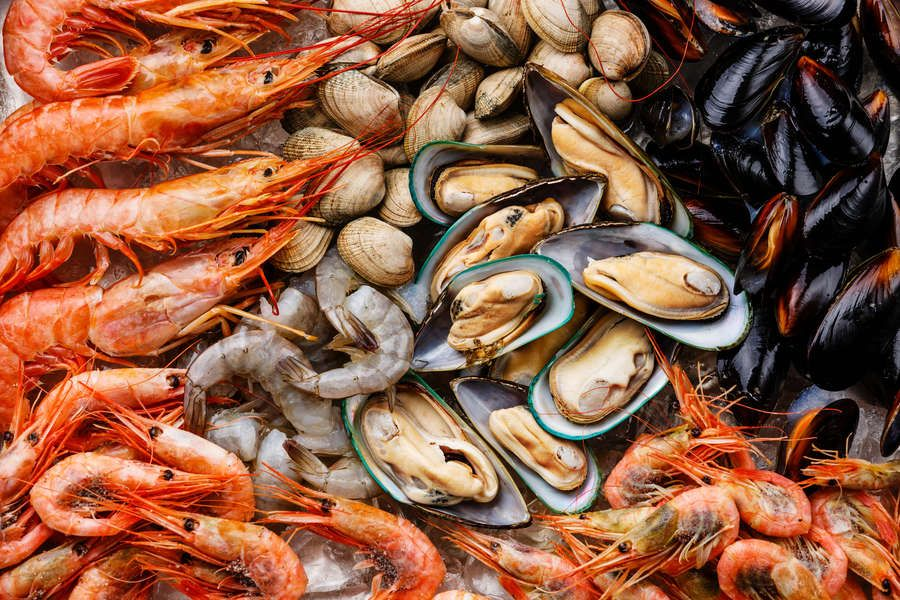
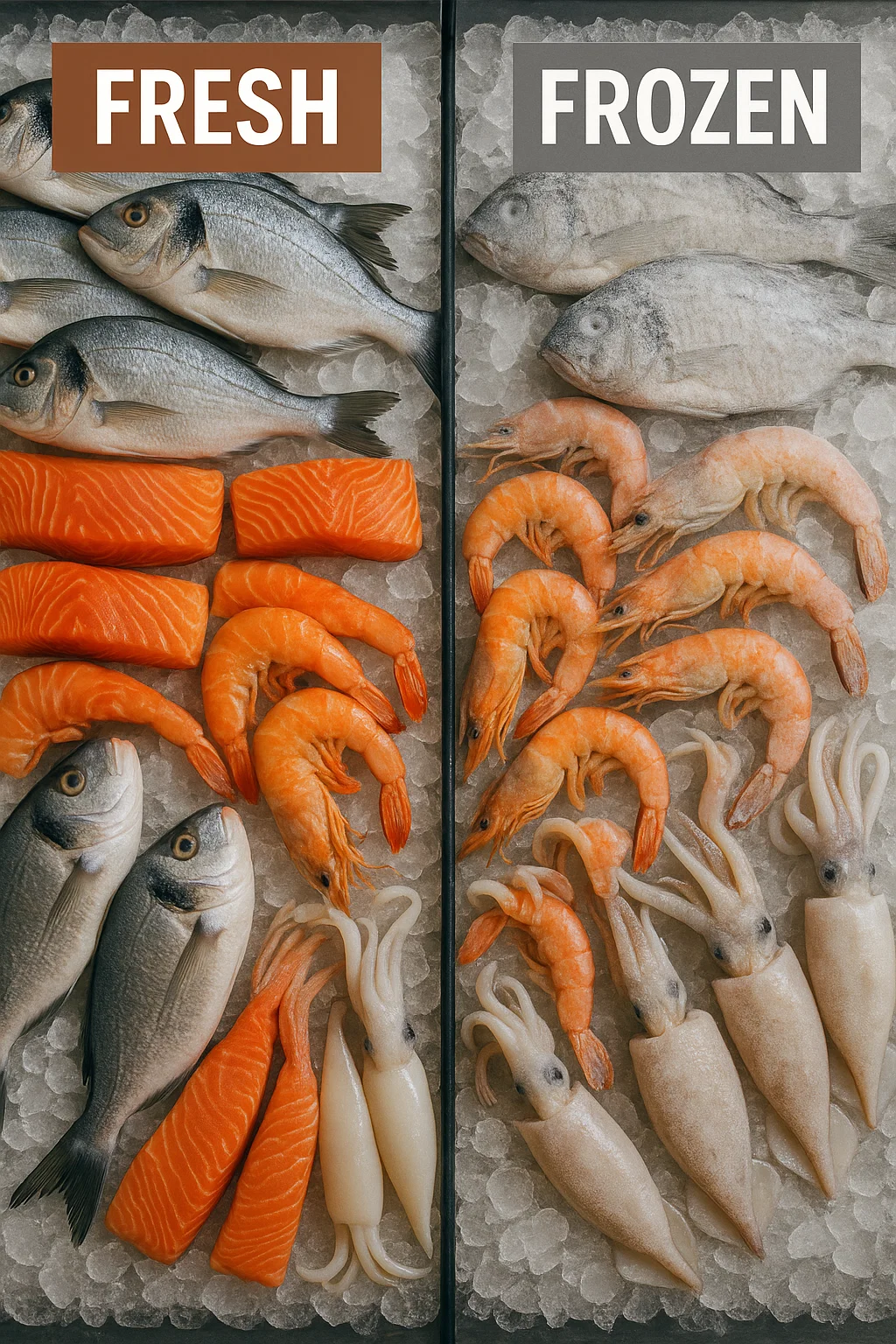
When you’re preparing to cook seafood at home, the very first and most important step is choosing the right type of fish or shellfish. The quality you start with sets the stage for everything that follows flavor, texture, and even safety all depend on it. If you’re buying fresh fish, pay attention to the details: the eyes should be clear and bright, the skin should have a natural shine, and the smell should remind you of the ocean rather than anything overly “fishy.” Take a quick look at the gills too healthy fish will have gills that are bright red or pink, never dull or brown. When it comes to shellfish like clams or mussels, look for tightly closed shells; if they’re open, it’s usually a sign they’re no longer good.
That said, don’t underestimate frozen seafood. Many people assume it’s a step down from fresh, but in reality, much of it is flash-frozen right on the boat. This process locks in nutrients and preserves the just-caught flavor, making frozen options a smart and budget-friendly choice especially if you live far from the coast. In fact, as we explained in our blog on Fresh vs. Frozen Seafood , frozen fish can sometimes be even fresher than what’s sitting in a market display case.
Another tip is to step outside your comfort zone when selecting seafood. Instead of always grabbing salmon or shrimp, try branching out with options like mackerel, sardines, or mussels. Not only will this expand your palate, but it’s also a more sustainable choice. According to the National Oceanic and Atmospheric Administration (NOAA), making diverse and eco-friendly selections helps protect marine ecosystems while supporting your own long-term health.
Preparing Seafood Properly
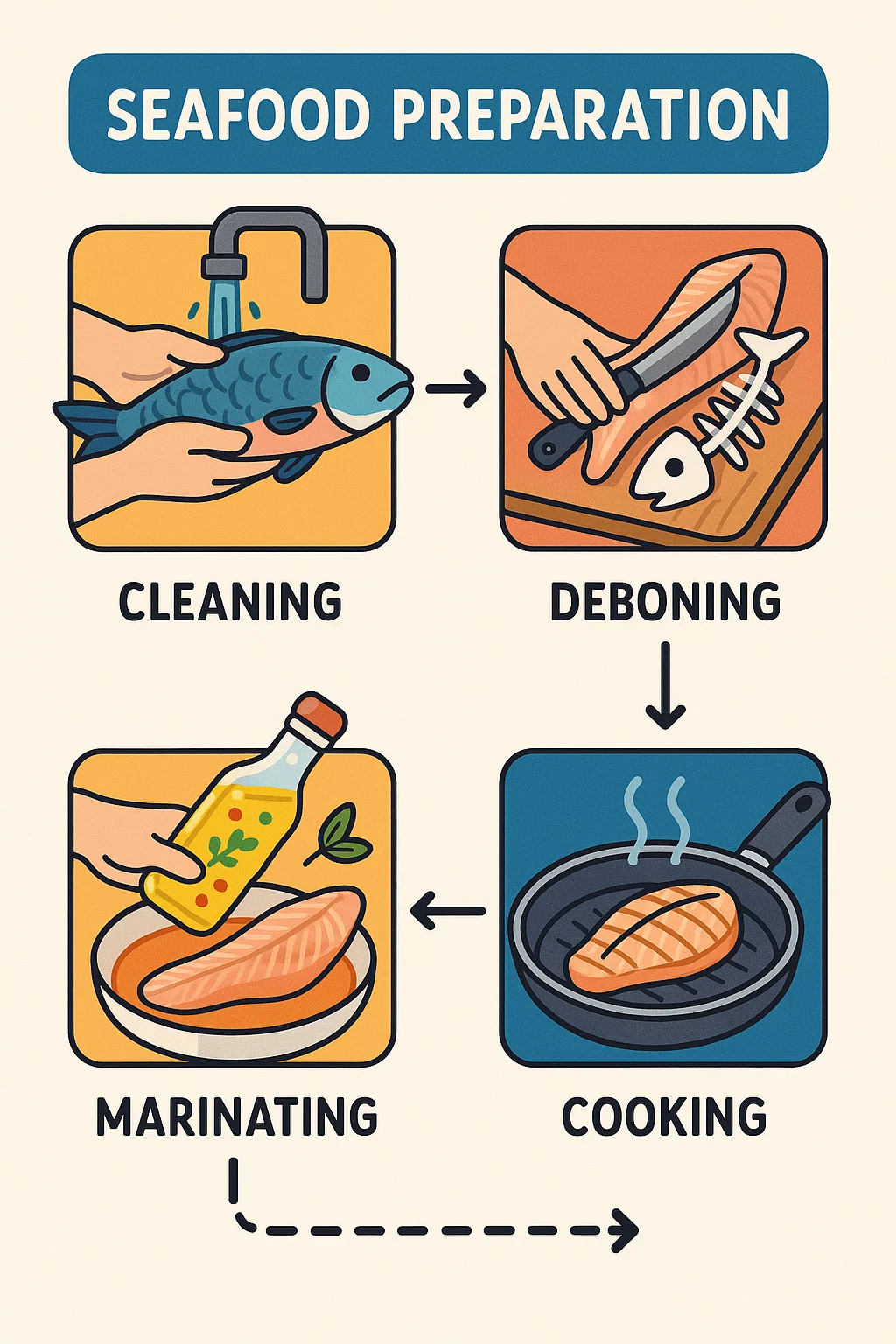
Good preparation is just as important as the cooking itself, because it ensures both flavor and safety. Start by giving your fish a gentle rinse under cold running water, then pat it completely dry with paper towels removing excess moisture helps it cook evenly and prevents it from steaming instead of searing. If you’re working with fillets, run your fingers carefully along the surface to check for any tiny pin bones. A pair of clean kitchen tweezers works best to pull them out without damaging the flesh. When handling shellfish, give them a good scrub under water, and if you’re cooking clams or mussels, let them sit briefly in salted water. This simple step encourages them to expel any sand, so you won’t end up with grit in your dish.
Marinating is another key part of preparation, but timing is everything. A light marinade made with lemon juice, herbs, garlic, or olive oil can enhance natural flavors and tenderize the fish. Still, it’s important not to let seafood sit too long in acidic ingredients, since citrus or vinegar can actually “cook” the flesh and alter its delicate texture. Usually, 15–30 minutes is more than enough.
This careful preparation ties directly into the nutritional benefits we’ve discussed in The Health Benefits of Seafood. By prepping seafood yourself, you have full control over how much oil, salt, or seasoning goes into the dish. That means you’re not only making your meal taste better but also protecting the natural health properties of seafood, creating dishes that are satisfying without being overly heavy.
Cooking Methods Explained
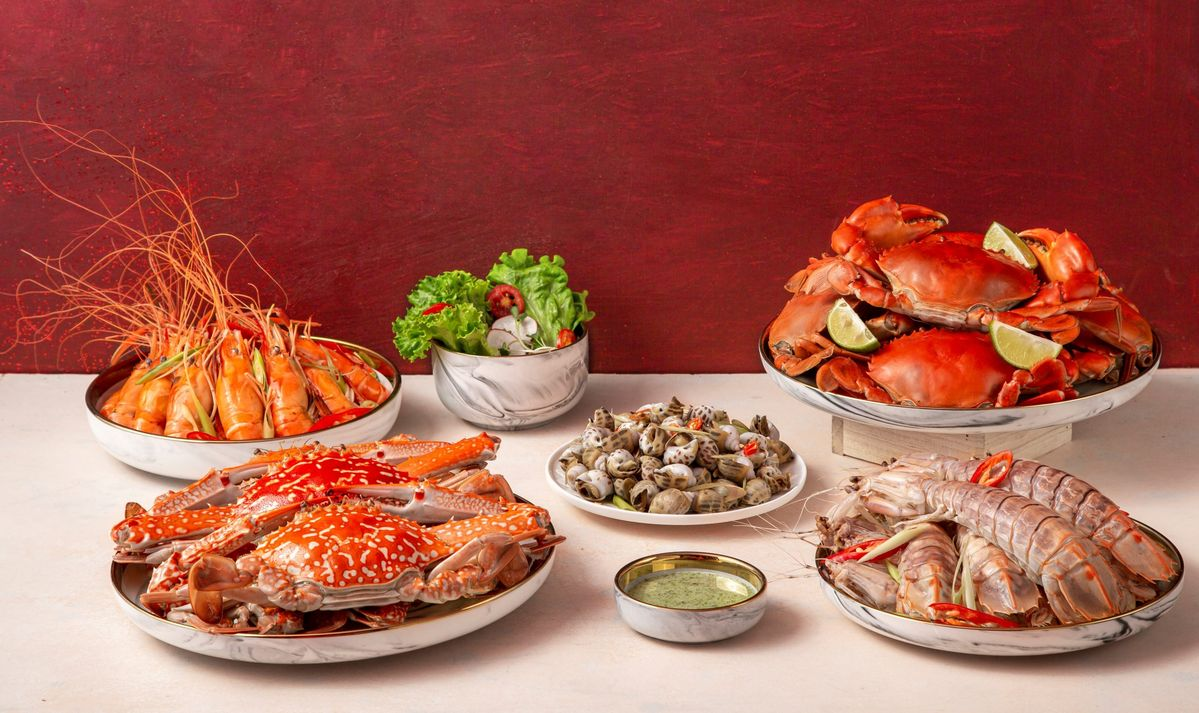
Seafood is highly versatile, and the method you choose can dramatically alter the outcome. Here are some of the most popular cooking techniques:
- Grilling: Ideal for salmon, tuna, and shrimp. The high heat caramelizes natural sugars and creates a smoky flavor.
- Baking: Works well for whole fish and fillets. Baking at moderate heat preserves moisture while infusing flavors from herbs and spices.
- Steaming: Perfect for shellfish like mussels and clams. It’s one of the healthiest methods, requiring little to no fat.
- Pan-searing: Best for firm fish like halibut or scallops. It produces a crispy crust while keeping the interior tender.
- Poaching: Gentle and great for delicate fish like cod. Cooking in a flavorful broth enhances subtle tastes.
According to Seafood Health Facts, the FDA recommends cooking fish to an internal temperature of 145°F (63°C). This ensures safety without drying out the flesh.
Seasoning and Pairing Flavors
One of the joys of seafood is how beautifully it pairs with herbs, spices, and sauces. Lemon, dill, garlic, and butter are timeless classics, but global flavors like soy, miso, or curry can create exciting variations. Shellfish often pairs well with garlic and white wine, while oily fish like mackerel can benefit from acidity to cut through the richness.
Think of balance: sweet flavors (like honey glazes) can complement salty fish, while spicy rubs add vibrancy to mild fillets. If you’re health-conscious, olive oil and fresh herbs bring flavor without extra calories. For those who want to explore healthier pairings, you might find inspiration in our blog on Best Healthy Seafood to Eat.
Common Mistakes to Avoid
Even experienced cooks can make errors when preparing seafood. The most frequent mistake is overcooking, which leaves fish dry and rubbery. Remember: seafood cooks faster than most proteins. Another mistake is overcrowding the pan, which causes steaming instead of searing.
Using too much seasoning can also overshadow the delicate flavors of seafood. And perhaps the biggest mistake? Not tasting as you go. Seafood benefits from small adjustments in acidity, salt, or herbs, so don’t skip this step.
Lastly, don’t forget about sustainability. Choosing responsibly sourced seafood helps maintain ocean health.
Nutritional Benefits of Cooking Seafood at Home
Cooking seafood at home allows you to maximize health benefits while minimizing unnecessary calories. Fish is rich in omega-3 fatty acids, which, according to the American Heart Association, support heart and brain health. Shellfish provide essential minerals like zinc, iodine, and selenium, which are often lacking in other protein sources.
Another advantage of home cooking is control. You decide how much oil, butter, or salt to use, ensuring meals remain balanced. This makes seafood a cornerstone of Mediterranean-style diets, widely studied for their role in longevity and disease prevention.
Seafood Types & Best Cooking Methods
| Seafood Type | Best Cooking Method | Flavor Notes | Nutritional Highlight |
|---|---|---|---|
|
Salmon |
Grilling, Baking
|
Rich, oily
|
High in Omega-3
|
|
Shrimp
|
Grilling, Sautéing
|
Sweet, mild |
High in Protein
|
|
Cod |
Poaching, Baking
|
Delicate
|
Low in Fat
|
|
Mussels
|
Steaming, Broiling |
Briny |
High in Iron
|
|
Mackerel
|
Grilling, Pan-sear |
Strong, oily
|
Rich in Vitamin D
|
Frequently Asked Questions
Seafood should turn opaque and flake easily with a fork. Using a thermometer, check for 145°F (63°C) internal temperature.
Both are excellent. Fresh is great if truly local, but frozen often maintains quality better. Learn more in our detailed blog on Fresh vs. Frozen Seafood: What’s the Real Difference?.
Yes, but do so gently to avoid dryness. Use a low oven or steam lightly.
Options like salmon, sardines, and shellfish offer excellent nutrition. For details, see our guide on Best Healthy Seafood to Eat.
Final Thoughts
Cooking seafood at home doesn’t have to be complicated or intimidating. By selecting fresh or frozen options wisely, preparing them with care, and using the right cooking method, you can bring restaurant-quality meals to your kitchen. Seafood is not only delicious but also nutrient-rich, making it a cornerstone of a healthy lifestyle. Just as many families search for Seafood specials Bluefield VA to get the best dining experience, you too can create flavorful, affordable, and nourishing seafood dishes in your own kitchen. With practice, every meal becomes an opportunity to explore new flavors and improve your wellbeing.
References
- NOAA – Sustainable Seafood https://www.fisheries.noaa.gov/topic/sustainable-seafood
- FDA – How to Cook Seafood Safely https://www.fda.gov/food/buy-store-serve-safe-food/selecting-and-serving-fresh-and-frozen-seafood-safely
- American Heart Association – Fish and Omega-3 Fatty Acids https://www.heart.org/en/healthy-living/healthy-eating/eat-smart/fats/fish-and-omega-3-fatty-acids