Key Summary
Seafood plays a powerful role in strengthening the immune system due to its unique combination of omega-3 fatty acids, high-quality protein, zinc, selenium, and vitamin D. These nutrients work together to regulate inflammation, support immune cell production, and improve the body’s response to infections.
Regular seafood consumption helps maintain immune balance across all age groups, making it a valuable dietary choice for long-term health. When consumed two to three times per week and prepared using healthy cooking methods, seafood offers sustained immune benefits with minimal risks.
A strong immune system is the body’s first and most powerful defense against infections, viruses, and chronic diseases. With increasing exposure to environmental stressors, poor dietary habits, and lifestyle-related illnesses, people are actively searching for natural ways to boost immunity. One food group that consistently stands out in nutrition research is seafood.
From fatty fish rich in omega-3s to shellfish loaded with zinc and selenium, seafood offers a unique nutrient profile that directly supports immune health. But is seafood truly good for the immune system, or is it just another nutrition trend? Let’s explore the science-backed truth.
How Seafood Supports the Immune System at a Cellular Level
Seafood strengthens the immune system by supporting both innate immunity (the body’s first line of defense) and adaptive immunity (the system that learns and remembers pathogens). High-quality protein found in fish and shellfish provides the amino acids needed to build antibodies, enzymes, and immune signaling molecules. Without adequate protein intake, the body cannot produce enough immune cells to fight infections efficiently.
Beyond protein, seafood supplies micronutrients that regulate immune communication and reduce immune exhaustion. Omega-3 fatty acids help immune cells respond accurately instead of triggering excessive inflammation, which is a common problem in people with poor diets. Meanwhile, minerals such as zinc and selenium activate immune enzymes and protect immune cells from oxidative stress, allowing them to function longer and more effectively.
Omega-3 Fatty Acids, Inflammation Control, and Immune Balance
One of the most powerful immune benefits of seafood comes from its omega-3 fatty acid content, particularly EPA and DHA found in fatty fish like salmon, sardines, and mackerel. These fats do not simply “boost” immunity; instead, they regulate it. A balanced immune system must be aggressive enough to fight infections but controlled enough to avoid chronic inflammation.
Omega-3s reduce the production of inflammatory cytokines while enhancing the activity of immune cells that target viruses and bacteria. This balance is crucial because chronic inflammation weakens immunity over time and increases the risk of autoimmune disorders, heart disease, and metabolic conditions. Regular seafood consumption helps maintain immune precision, strong when needed, calm when not.
Zinc, Selenium, Vitamin D, and Why Seafood Is a Complete Immune Food
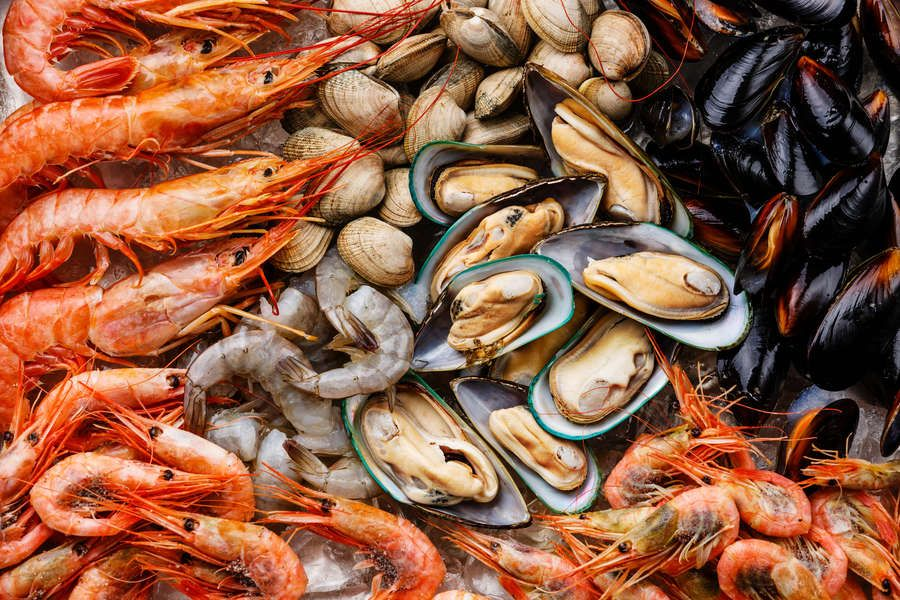
Seafood stands out because it provides multiple immune-critical nutrients in one food group. Zinc, found abundantly in oysters, crab, and shrimp, is essential for immune cell development and communication. Even mild zinc deficiency can increase susceptibility to infections and delay wound healing.
Selenium, another key mineral found in tuna, cod, and shellfish, acts as a powerful antioxidant that protects immune cells from damage during illness. It also improves the body’s response to viral infections and supports faster recovery.
Vitamin D, naturally present in fatty fish, plays a direct role in activating immune defenses. Low vitamin D levels are strongly linked to weakened immunity, especially in adults and seniors. Seafood offers a natural dietary source of vitamin D that works synergistically with calcium and omega-3s for overall immune and bone health.
Best Types of Seafood for Strengthening Immunity
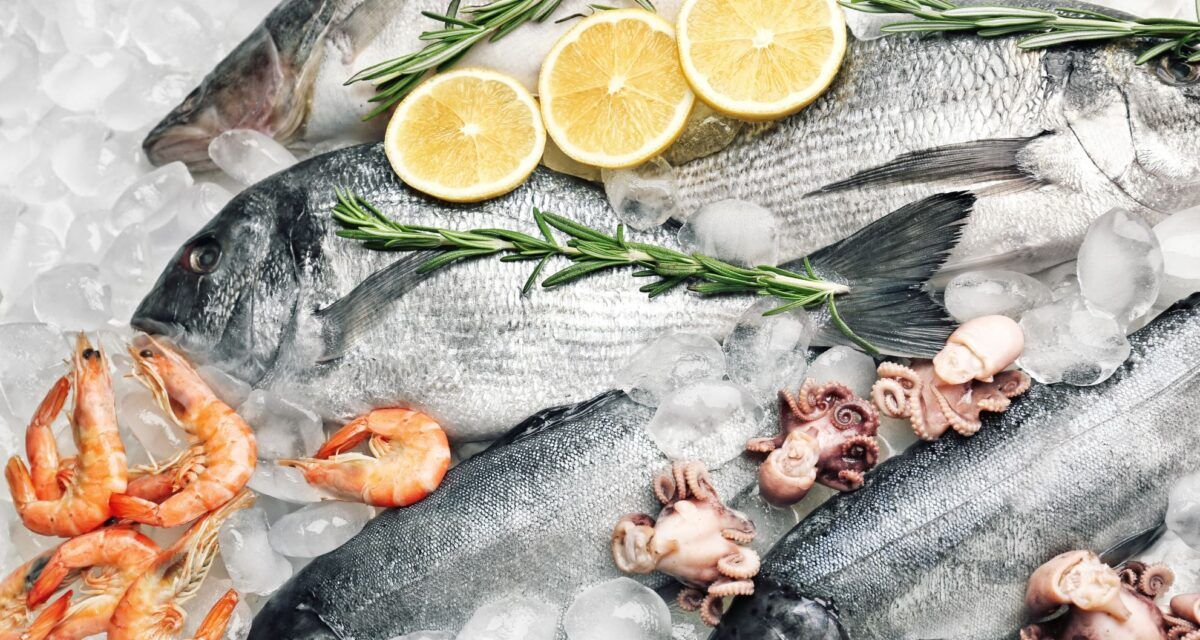
Not all seafood offers the same immune benefits, which is why variety matters. Fatty fish such as salmon, sardines, and mackerel are ideal for reducing inflammation and improving immune regulation due to their high omega-3 and vitamin D content. Shellfish like oysters, shrimp, and crab excel in zinc and selenium, which directly enhance immune response and antioxidant defense.
Lean fish such as cod and tuna provide high-quality protein and selenium with minimal fat, making them suitable for individuals managing weight or cholesterol. When consumed in rotation, these seafood types deliver comprehensive immune support without nutritional gaps.
Seafood Across Life Stages: Children, Adults, and Seniors
Seafood supports immune health differently across age groups. In children, it contributes to immune system development while also supporting brain growth and cognitive function. For working adults, seafood helps manage inflammation, stress-related immune suppression, and frequent exposure to infections. Seniors benefit significantly from seafood due to its easy digestibility, anti-inflammatory properties, and role in preventing immune decline associated with aging.
Because seafood is nutrient-dense yet gentle on digestion, it is often better tolerated than red meat, especially in older adults with reduced digestive efficiency.
Frequently Asked Questions
Yes, seafood provides essential nutrients such as omega-3 fatty acids, zinc, selenium, and vitamin D that naturally support immune function and reduce inflammation.
Salmon, sardines, oysters, shrimp, and tuna are among the best options due to their high nutrient density and immune-supporting properties.
Regular seafood consumption strengthens immune defenses, improves inflammation control, and supports faster recovery from infections.
Two to three servings per week are sufficient to maintain strong immune support without increasing health risks.
Seafood generally contains less saturated fat and more anti-inflammatory nutrients, making it a healthier choice for immune support.
Final Thoughts
Seafood is not just good for the immune system; it is one of the most complete natural immune-supporting foods available. Its unique blend of omega-3 fatty acids, immune-regulating minerals, vitamin D, and high-quality protein makes it a foundational component of a strong, balanced diet.
When consumed regularly and responsibly, seafood supports immune resilience, reduces chronic inflammation, and enhances the body’s ability to fight infections across all stages of life. For anyone seeking long-term immune strength through natural nutrition, seafood is a scientifically supported and highly effective choice.