Key Summary
Mercury occurs naturally in seafood, but its levels vary from one fish to another. Understanding these differences helps you choose safer options while still enjoying all the nutritional benefits seafood offers. This guide explains which fish are low in mercury, which should be eaten in moderation, and which high-mercury choices to limit. With practical tips for smart selection and balanced eating, it makes safe seafood consumption easy, healthy, and worry-free.
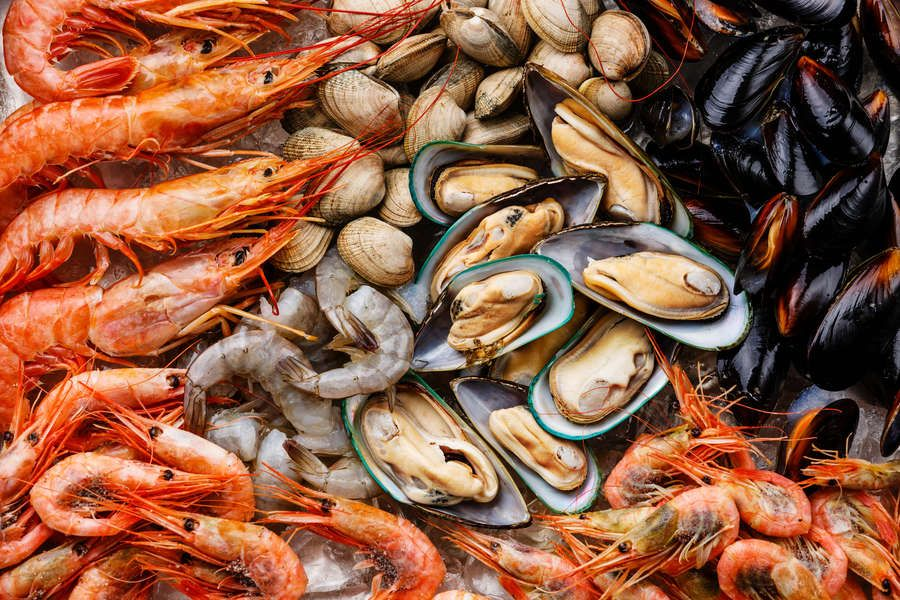
Seafood is known for its rich flavor, high-quality protein, and essential nutrients, but concerns about mercury sometimes make people hesitate before enjoying their favorite dish. Mercury naturally exists in our oceans, and different fish absorb it at different levels. Understanding which seafood is safe and which carries higher mercury helps you enjoy a healthy seafood diet without worry.
What Is Mercury in Seafood?
Mercury enters oceans through natural and industrial sources and accumulates in fish as they feed, with larger, older fish like sharks, swordfish, and tuna generally having higher mercury levels. For more insights on choosing seafood safely, check out our guide on Fresh vs. Frozen Seafood: What’s the Real Difference? According to research, this accumulation occurs because mercury is converted into methylmercury, a toxic form that bioaccumulates in the food chain. Eating high-mercury fish regularly can affect the nervous system, especially in children and pregnant women. Therefore, it is important to distinguish between high-mercury seafood (such as king mackerel and shark) and low-mercury options to minimize health risks.
Seafood With High Mercury
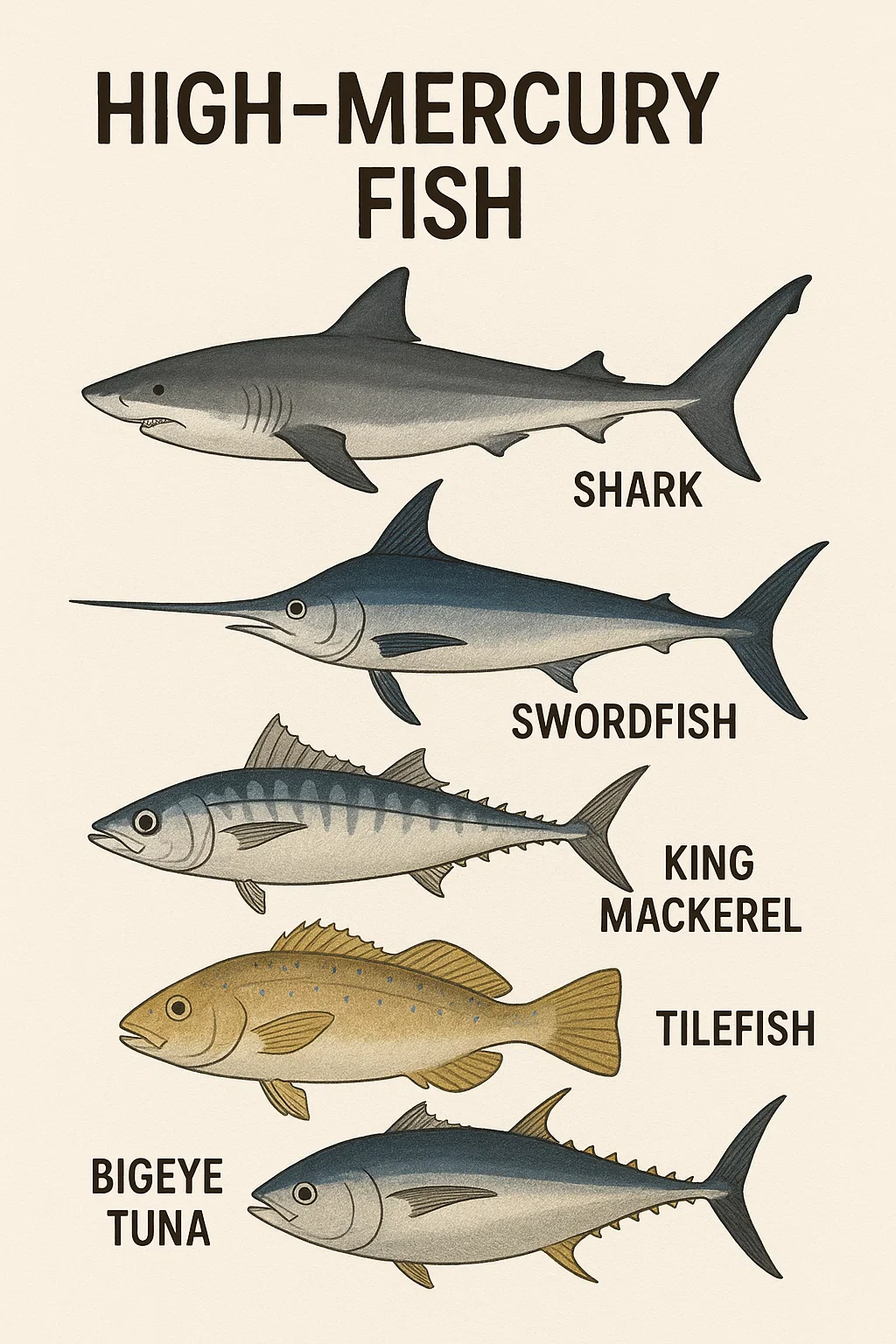
Some fish naturally accumulate higher levels of mercury because they grow big, live longer, and feed on smaller fish. Fish like shark, swordfish, king mackerel, tilefish, and bigeye tuna generally fall into the high-mercury category. These varieties are best enjoyed occasionally rather than regularly to maintain a safe level of mercury intake.
Seafood With Low Mercury
According to research, a 2025 UCLA study developed an engineered gut microbe that detoxifies methylmercury, a toxic form of mercury found in fish. This microbe reduces the amount of mercury absorbed in the gut, lowering levels in the brain and liver of mice. When tested in pregnant mice, it also decreased mercury exposure to fetuses, protecting brain development. This advance may one day help people safely enjoy seafood with less risk.
Tips for Choosing Safer Seafood
- Smaller fish generally contain less mercury since they haven’t lived long enough to build up high levels in their bodies.
- Shellfish like shrimp, crab, and lobster typically have low mercury content and are safer choices for regular consumption.
- Save high-mercury fish for occasional meals rather than eating them frequently.
- Focus on low-mercury seafood options as your regular go-to choices when planning meals.
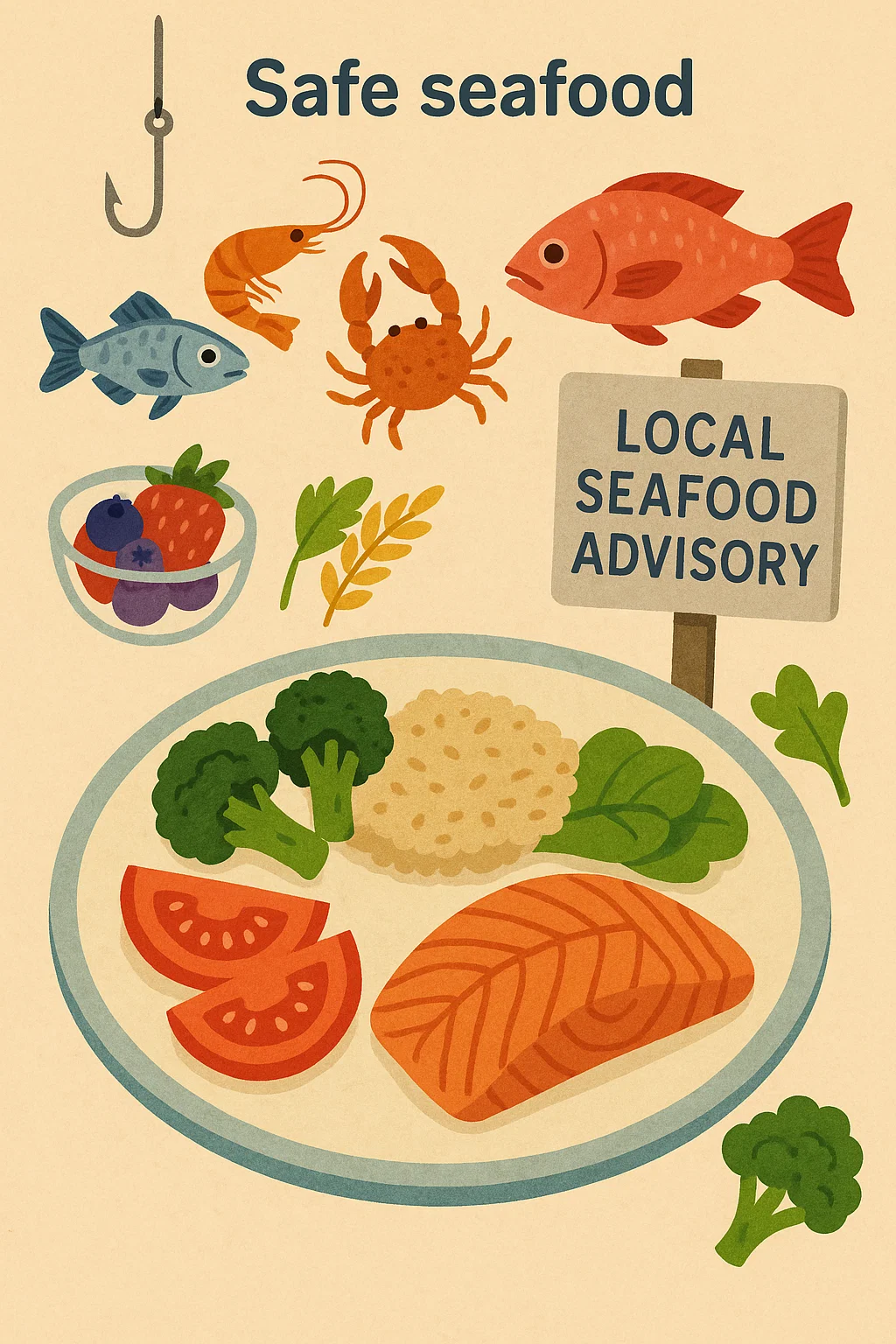
- Check local advisories before eating fish caught from nearby waters to know if there are any safety concerns.
- Balance your seafood meals with vegetables, whole grains, and fruits to support your overall nutrition and health.
- Variety in your seafood choices helps minimize potential risks while ensuring you get different nutrients.
- When shopping, ask your fishmonger about the source and type of fish if you’re unsure about mercury levels.
Frequently Asked Questions
No, most commonly eaten fish, such as salmon, shrimp, and tilapia, have low mercury levels and are considered safe.
Yes, daily seafood consumption is safe as long as you choose low-mercury fish and keep portions moderate.
Options like salmon, sardines, shrimp, and catfish are safe and recommended due to their low mercury content.
No, mercury remains in fish even after cooking or frying, so choosing low-mercury fish is the safest approach.
Neurological and behavioural disorders may be observed after inhalation, ingestion or dermal exposure to different mercury compounds. Symptoms include tremors, insomnia, memory loss, neuromuscular effects, headaches, and cognitive and motor dysfunction.
Final Thoughts
Seafood is one of the healthiest foods you can add to your diet, and understanding mercury levels makes it even easier to enjoy it safely. When you choose low-mercury fish and enjoy high-mercury varieties only once in a while, you protect your health while still savoring delicious seafood meals. With the right choices, seafood remains a nutritious, flavorful, and safe part of everyday eating.
References
A review of mercury’s pathological effects on organs specific to fish.
https://www.tandfonline.com/doi/full/10.1080/26395940.2021.1920468
Designer microbe shows promise for reducing mercury absorption from seafood
https://newsroom.ucla.edu/releases/reducing-mercury-absorption-food