Key Summary
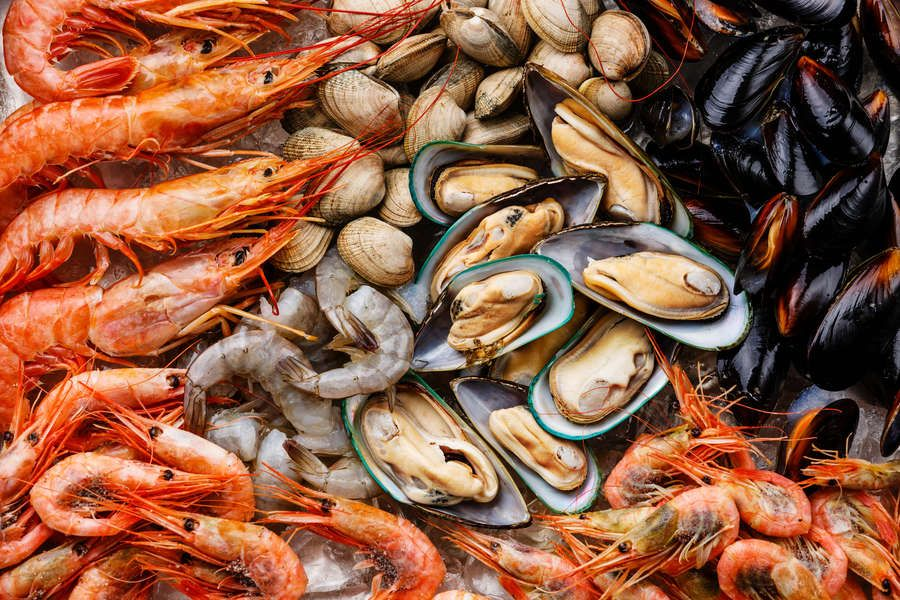
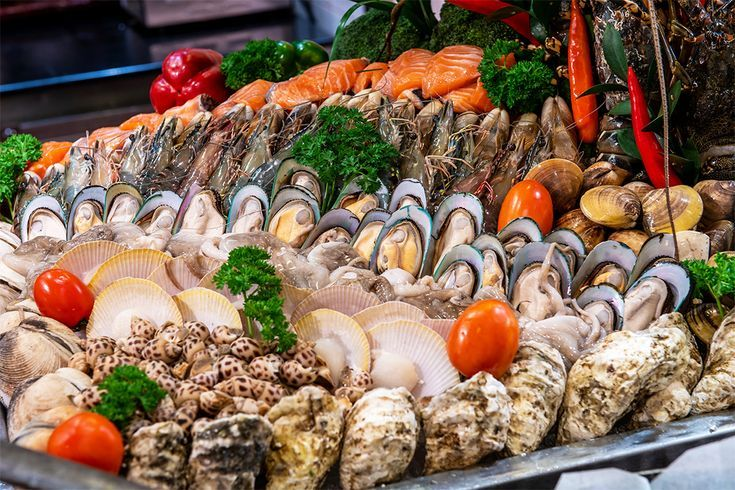
Seafood is a nutrient-rich food packed with omega-3s, protein, vitamins, and minerals that support overall health. Choosing the right seafood matters, considering factors like mercury levels, sustainability, and preparation. This guide highlights the healthiest options, their benefits, and safe ways to enjoy them.
Many people look for a protein source that’s both healthy and satisfying, without the risks linked to red meat and processed foods. Seafood offers the perfect balance, packed with omega-3s, lean protein, and key vitamins that support heart, brain, and overall health. Still, not all seafood is equally beneficial; some types are healthier, while others may contain more mercury or be less sustainable. This guide explores the best healthy seafood options, their nutritional value, and tips to choose wisely for a balanced lifestyle.
Nutritional Power of Seafood
Seafood stands apart from other proteins because of its nutrient density. Most varieties are low in saturated fat, high in lean protein, and enriched with omega-3 fatty acids such as EPA and DHA. These fatty acids are scientifically proven to reduce inflammation, lower the risk of stroke, and support brain development, particularly in children and pregnant women. According to the American Heart Association, eating at least two servings of fish weekly can significantly reduce the risk of cardiovascular disease.
Unlike many meats, seafood also provides micronutrients like iodine, selenium, and zinc, nutrients critical for metabolism and immune function. Fish like salmon and mackerel are also among the rare natural sources of vitamin D, essential for bone health and immunity (Harvard T.H. Chan School of Public Health). Interestingly, in global dietary studies, populations that consume seafood regularly show lower rates of chronic disease and longer life expectancy (National Institutes of Health).
For those who often wonder if seafood is healthier than meat, our detailed guide on “Is Seafood Healthier Than Meat?” explains how seafood can offer better nutritional balance with fewer long-term health risks compared to traditional red meats.
Best Healthy Seafood Options to Eat
Salmon
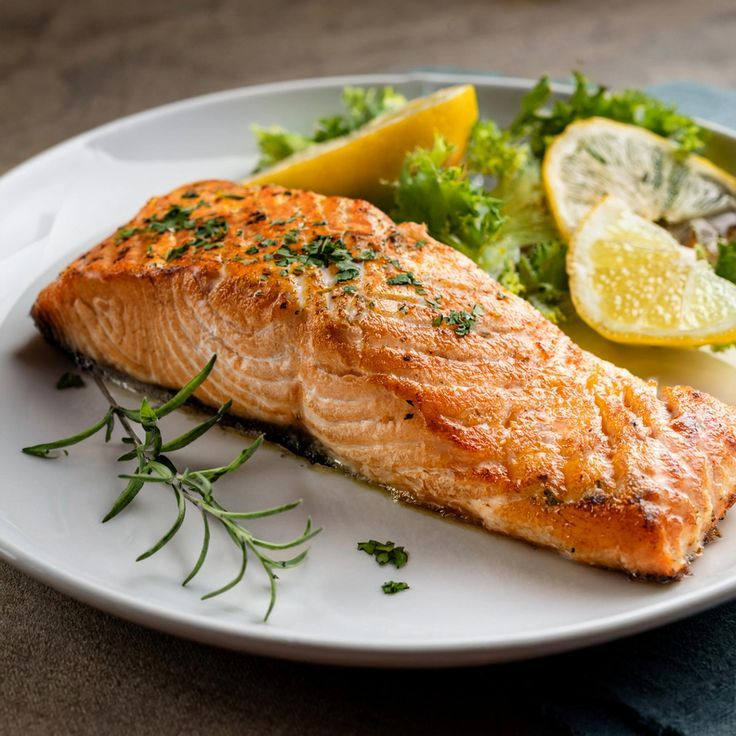
Salmon is widely considered the healthiest seafood. It is rich in omega-3 fatty acids, high-quality protein, and vitamin B12. Wild-caught salmon is especially nutrient-dense compared to farmed versions. Regular consumption supports heart health, reduces inflammation, and aids brain function. For women, salmon offers unique benefits by supporting hormonal balance and bone density, as explored in Seafood Benefits for Women.
Sardines
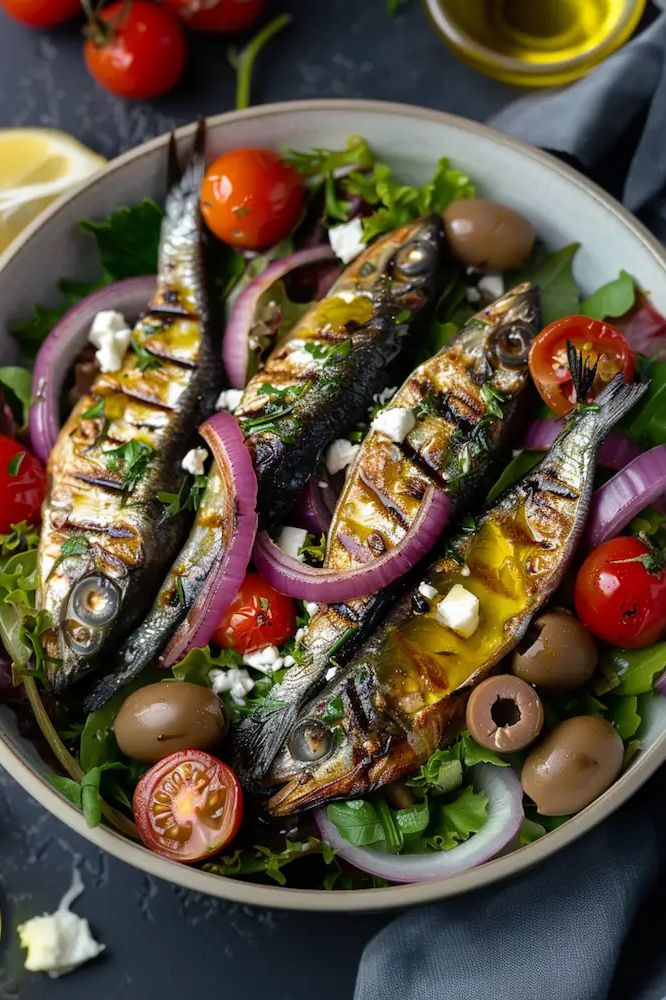
Sardines may be small, but they pack a nutritional punch. They are loaded with calcium, vitamin D, and omega-3s. Unlike larger fish, sardines are low in mercury, making them a safe option for frequent consumption (Cleveland Clinic). Canned sardines in olive oil are a convenient and affordable superfood that enhances bone strength and cardiovascular health.
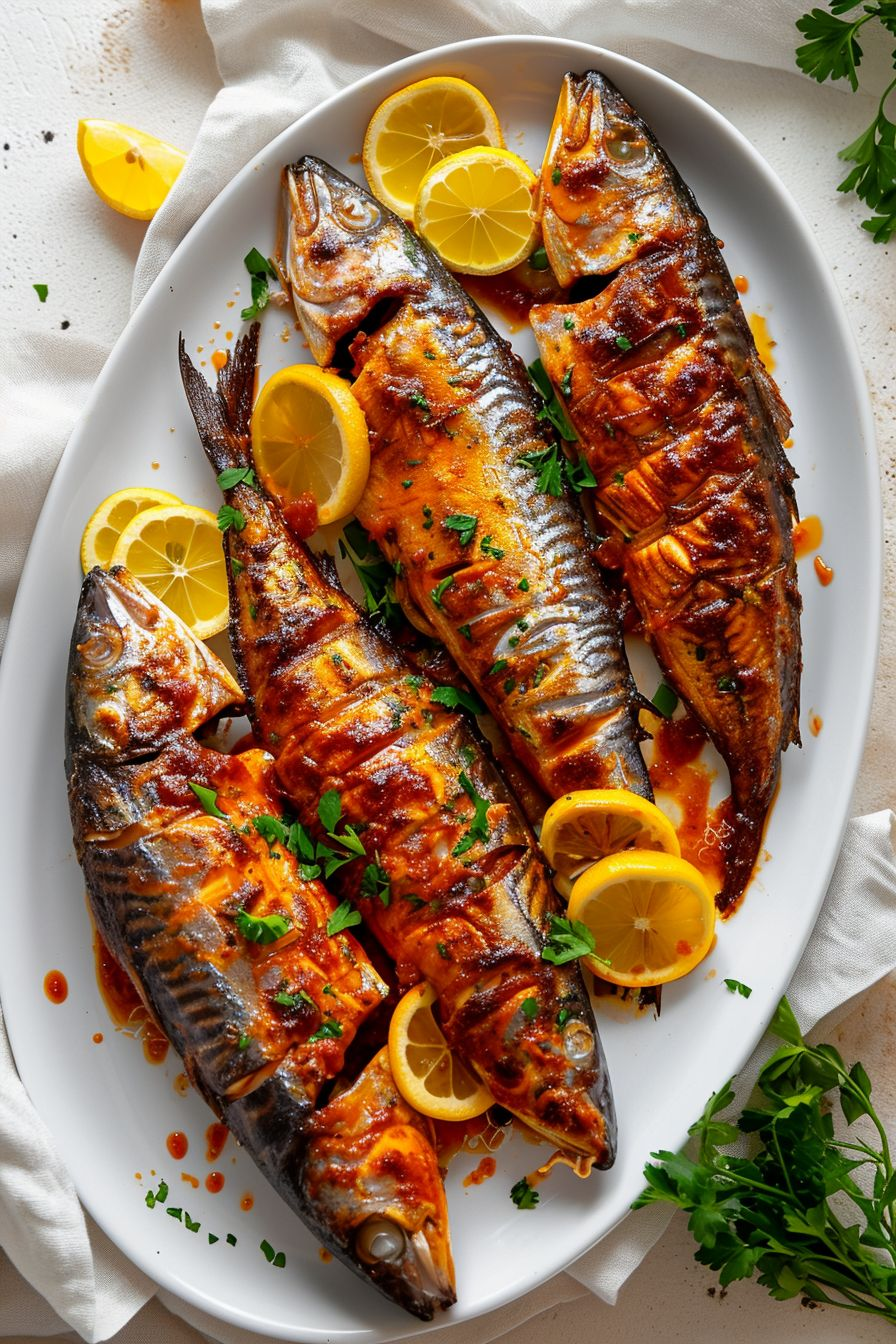
Mackerel
Mackerel is another oily fish abundant in healthy fats. It is known to improve cholesterol profiles, protect against heart disease, and supply large amounts of vitamin B12. However, moderation is advised with king mackerel due to mercury levels, so opt for Atlantic or smaller varieties (FDA Mercury Guidelines).
Trout
Rainbow trout is one of the best freshwater fish options. It provides lean protein with minimal contaminants, especially when sourced from farmed, U.S.-regulated waters (Environmental Defense Fund). It’s an excellent choice for those seeking high protein without excessive calories.

Shrimp
Low in calories and high in protein, shrimp are rich in selenium, which supports thyroid function. They are versatile in cooking and widely loved. To keep shrimp healthy, avoid deep frying and instead try grilling, steaming, or adding to salads (NIH – Selenium Fact Sheet).

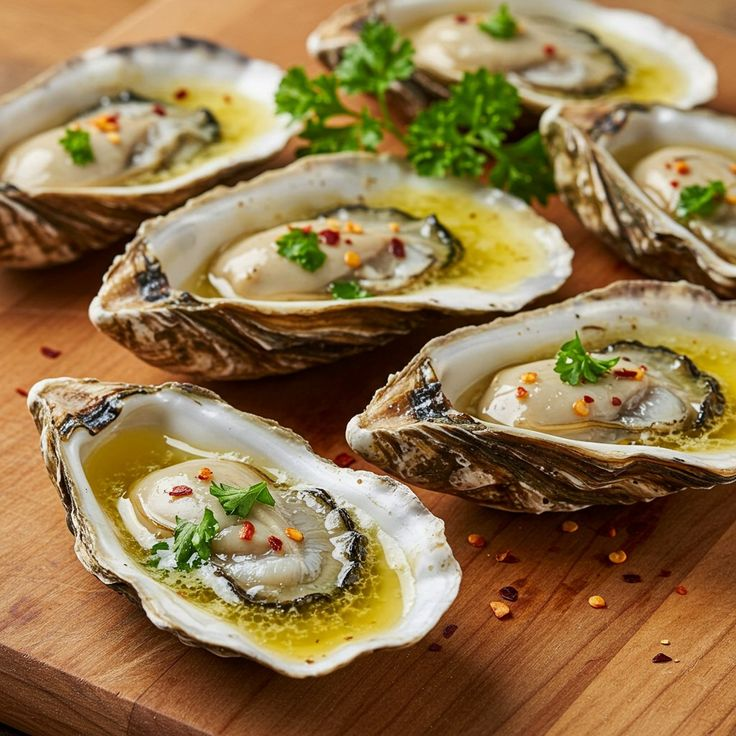
Oysters
Oysters are nutrient powerhouses, delivering zinc, vitamin B12, and omega-3s. They also promote immune health and reproductive wellness. Their unique mineral content makes them one of the most nutrient-dense shellfish (Harvard Health).
Crab
Crab is not only delicious but also a lean source of protein. It provides vitamin B12 and copper, vital for red blood cell production. Crab also offers a good dose of omega-3s while being lower in fat compared to many meats (WebMD)

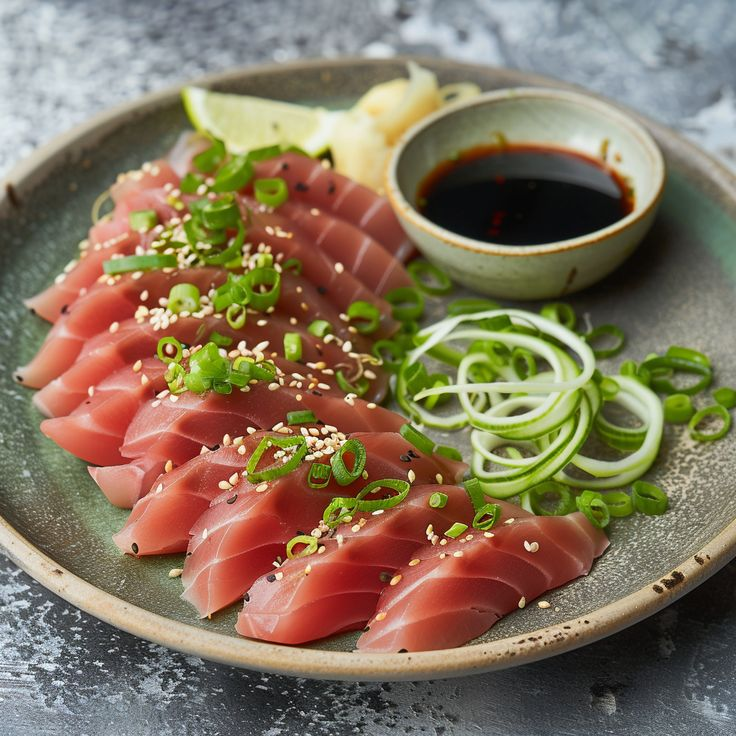
Tuna (in moderation)
Tuna is highly popular, especially in sushi and canned forms, but it should be eaten in moderation due to potential mercury exposure. Opt for light tuna instead of albacore to minimize risks (FDA Fish Advice). When enjoyed safely, tuna provides excellent protein and heart-healthy fats.
Factors to Consider When Choosing Seafood
When selecting seafood, it’s essential to balance nutrition with safety and sustainability.
- Mercury Content: Larger predatory fish like swordfish, shark, and king mackerel have higher mercury levels.
- Sustainability: Choose seafood certified by the Marine Stewardship Council (MSC) to ensure responsible fishing practices.
- Preparation Method: Steaming, grilling, or baking is healthier than frying.
- Source: Wild-caught fish generally have more favorable nutrient profiles compared to farmed ones.
For a deeper discussion on the advantages and disadvantages of eating fish, check out our detailed blog here.
Comparing Seafood with Meat: Which is Healthier?
Seafood generally offers a healthier nutrient profile compared to red meat and processed meats. While both seafood and meat are rich in protein, seafood is lower in saturated fats and cholesterol. Moreover, the omega-3s in seafood cannot be matched by beef, pork, or chicken. Research published in the Journal of the American Medical Association indicates that replacing red meat with fish reduces the risk of early death from cardiovascular diseases.
For readers interested in lifestyle and dining comparisons, check out Best Seafood Spots in Downtown Bluefield, VA which highlights not just seafood health benefits but also where to enjoy fresh catches locally.
The Role of Seafood in a Balanced Diet
Seafood should be included as a regular protein source within a balanced diet. Incorporating 2–3 servings per week is recommended by health authorities like the U.S. FDA. This ensures optimal intake of omega-3s while minimizing mercury risk. Pairing seafood with whole grains, vegetables, and healthy fats maximizes nutrient absorption and contributes to long-term wellness.
For lifestyle inspiration, explore Top 5 Things to Do in Downtown Bluefield, VA, where dining experiences highlight how seafood can be part of both health and enjoyment.
Healthiest Seafood Choices Ranked by Nutritional Value
| Seafood | Omega-3 (per 100g) | Protein (per 100g) | Key Vitamins/Minerals | Mercury Level | Health Notes |
|---|---|---|---|---|---|
|
Salmon |
2.3 g
|
20 g
|
B12, D, Selenium
|
Low
|
Best all-round health benefits
|
|
Sardines
|
1.5 g |
25 g
|
Calcium, D, B12
|
Very Low
|
Excellent for bones, affordable
|
|
Mackerel |
1.8 g
|
19 g
|
B12, Niacin, Selenium
|
Moderate
|
Good for the heart; limit large varieties
|
|
Trout
|
1.0 g
|
22 g
|
B6, B12, Potassium
|
Low
|
Lean and safe, good everyday choice
|
|
Shrimp
|
0.5 g |
24 g
|
Selenium, Iodine
|
Low
|
Low calorie, versatile |
|
Oysters |
0.7 g
|
9 g |
Zinc, Iron, Copper
|
Very Low |
Immune-boosting and mineral-rich |
|
Crab |
0.5 g |
19 g |
B12, Copper
|
Low |
Lean, supports red blood cell health
|
|
Tuna
|
0.9 g |
23 g |
B12, Niacin, D
|
Moderate |
Eat in moderation due to mercury |
Frequently Asked Questions
Experts recommend 2–3 servings of low-mercury seafood per week.
Fatty fish like salmon, mackerel, and sardines are best due to high omega-3 content.
Yes, but only low-mercury fish like salmon, sardines, and trout. Avoid shark, swordfish, and king mackerel.
Yes, canned options like sardines and tuna are nutritious, but choose versions packed in water or olive oil without added sodium.
Final Thoughts
Seafood is one of the most versatile, nutrient-rich, and heart-healthy food choices available. From salmon and sardines to oysters and crab, adding the right seafood to your diet can transform your health by boosting brain function, supporting the heart, and strengthening bones. Choosing wisely, considering mercury levels, sourcing, and preparation methods, ensures maximum benefits.
And if you’re ever in Virginia and want to experience seafood beyond your kitchen, don’t miss the Seafood specials in Bluefield, VA, where local favorites bring together both flavor and nutrition in one perfect dining experience.
References
American Heart Association – Fish and Shellfish https://www.heart.org/en/news/2018/05/25/eating-fish-twice-a-week-reduces-heart-stroke-risk
Harvard T.H. Chan – Fish and Omega-3s https://nutritionsource.hsph.harvard.edu/fish/#:~:text=Known%20or%20likely%20benefits%3A%20In,the%20chances%20of%20dying%20from
NIH – Omega-3 Fatty Acids Fact Sheet
Mayo Clinic – Salmon Health Benefits
Cleveland Clinic – Sardines Health Benefits https://health.clevelandclinic.org/3-fish-you-should-love-and-3-fish-you-should-snub
FDA – Advice About Eating Fish https://www.fda.gov/food/consumers/advice-about-eating-fish
Environmental Defense Fund – Seafood Health https://www.edf.org/issue/sustainable-fishing
NIH – Selenium Fact Sheet https://ods.od.nih.gov/factsheets/Selenium-HealthProfessional/
Harvard Health – Oyster Nutrition https://hsph.harvard.edu/news/shellfish-good-for-nutrition-environment/
WebMD – Crab Health Benefits: https://www.webmd.com/diet/health-benefits-crab#:~:text=Crab%20is%20packed%20with%20protein,a%20variety%20of%20chronic%20conditions.