
Key Summary
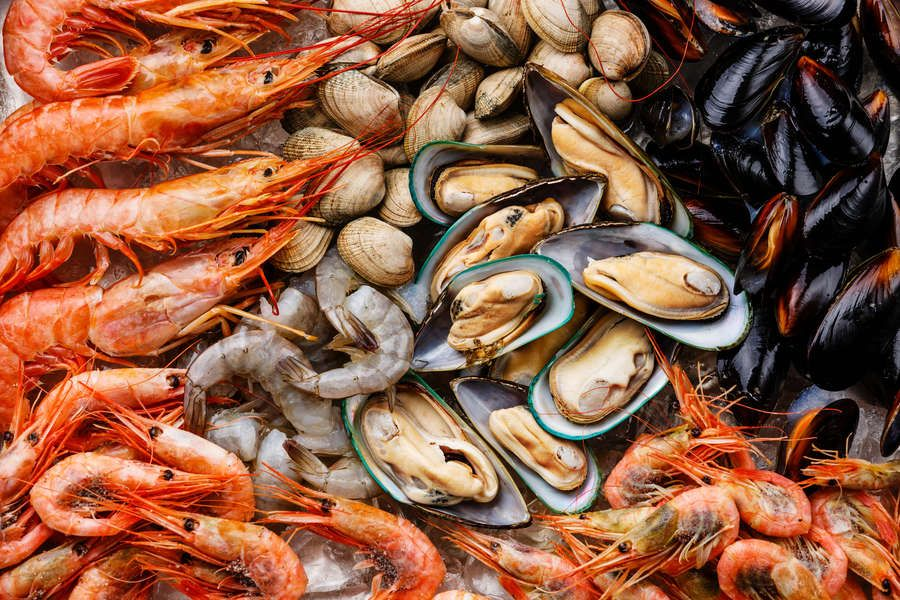
Seafood is generally healthier than meat for most people. It’s lower in saturated fats, rich in heart-friendly omega-3 fatty acids, and packed with essential nutrients like vitamin D, selenium, and iodine. While lean meats can also offer high-quality protein, seafood stands out for promoting better heart, brain, and joint health with fewer long-term risks, making it a smarter nutritional choice in most diets.
Everyone wants to eat healthier, but confusion arises when they are in the seafood aisle or at the butcher counter. Is a juicy steak healthier than that salmon fillet? Choosing what to eat for long-term health can be overwhelming due to the contradictory recommendations from doctors, influencers, and nutritionists. While some warn about mercury in fish, others claim that red meat causes heart disease.
This blog clears the fog. We weigh the nutritional benefits and drawbacks of meat and seafood to help you make guilt-free food decisions that are good for the environment and your body. Our analysis is supported by scientific research and professional opinions.
Comparing the Nutritiousness of Meat and Seafood
In terms of macronutrients, meat and seafood both provide essential vitamins and minerals as well as high-quality protein. They differ, though, in terms of the kind and quantity of fat, micronutrients, and possible toxins.
Omega-3 fatty acids, especially EPA and DHA, which have been shown to lower inflammation and promote heart and brain health, are abundant in seafood, especially fatty fish like salmon, mackerel, and sardines. Additionally, fish typically contains fewer saturated fats than red meat, which helps control cholesterol levels.
However, despite having a different fat composition, lean meats like turkey and chicken breast are also great sources of iron, zinc, vitamin B12, and protein.
Omega-3s and Heart Health
For good reason, seafood is frequently hailed for its heart-protective properties. It has been demonstrated that omega-3 fatty acids, which are abundant in fatty fish, lower blood pressure, triglycerides, and the risk of heart attacks.
Because of these heart-healthy benefits, the American Heart Association suggests eating at least two servings of fish each week. On the other hand, red and processed meats are heavy in cholesterol and saturated fats, which raise the risk of heart disease and cause arterial plaque to accumulate.
As discussed in our blog post on the Advantages and disadvantages of eating fish, we examine the benefits as well as why it is harmful sometimes.
Contaminants and Risk Factors
But seafood isn’t always the better choice. There are legitimate health concerns about microplastic contamination and mercury levels in predatory fish (such as sharks, king mackerel, and swordfish).
Children and pregnant women should stay away from high-mercury fish, per the FDA’s Fish and Shellfish Advice. In contrast, meat is frequently free of these impurities, particularly when it is organic and grass-fed. However, there are risks associated with processed meats as well, including the formation of carcinogenic compounds and nitrites during high-heat cooking, which have been connected to colon cancer.
This conundrum echoes the ideas discussed in our blog post on the best seafood spots downtown, which provides a more thorough overview of the areas where we enjoy seafood.
Weight Control and Digestibility
Fish and shellfish are perfect for people with sensitive stomachs, those recovering from surgery, and the elderly because they are typically easier to digest than red meats. Fish reduces bloating and gastrointestinal distress because it breaks down more quickly in the stomach.
Many seafood varieties are better for people who are watching their weight because they are lower in calories and fat than beef or pork. For this reason, seafood is a staple in many Mediterranean and Japanese diets, which are linked to longer lifespans and decreased rates of obesity.
On the other hand, red and processed meats frequently result in higher calorie intake because of their richer fat content and more involved preparation methods, even though lean meats like turkey or chicken can also aid in weight loss.
Impact on the Environment and Ethics
Our dietary decisions have a direct impact on the planet’s health. In general, seafood has a lower environmental impact than beef or pork, especially when it comes to sustainably farmed or caught varieties. According to Our World in Data, the production of red meat has a major impact on water use, deforestation, and greenhouse gas emissions.
Marine biodiversity is threatened, nevertheless, by overfishing and unsustainable aquaculture methods. To make sure that your nutritious meal doesn’t come at a high environmental cost, choose certified seafood, such as fish that has earned the MSC or ASC certification.
When Meat May Be the Better Choice
Despite its drawbacks, meat, especially grass-fed, lean cuts, still holds nutritional value. It’s rich in heme iron (which is more bioavailable than the iron in plants or fish), vitamin B12, and creatine, which supports muscle health.
For athletes, bodybuilders, and those with high caloric needs, meat provides dense nutrition and supports recovery. Moreover, certain communities rely on meat culturally and economically, and eliminating it may not be feasible or beneficial for everyone.
A balanced perspective acknowledges that moderation and quality matter more than rigid categorization. Avoiding processed meats and favoring lean, organic options can make meat a healthier choice in certain scenarios.
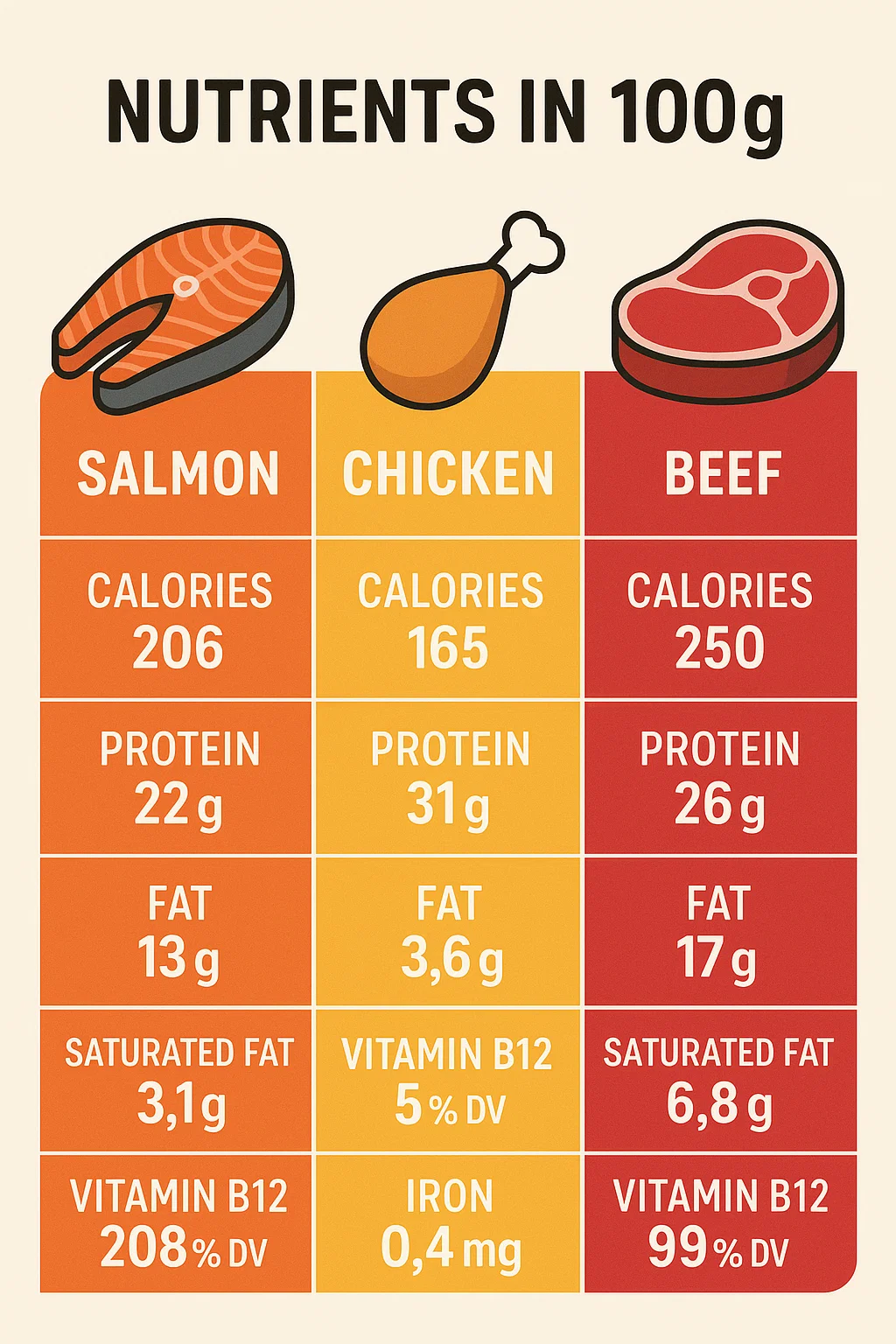
Nutritional Comparison at a Glance
| Nutrient (per 100g) | Salmon (Seafood) | Chicken Breast (Meat) | Beef (Meat) |
|---|---|---|---|
|
Calories |
208 |
165 |
250 |
|
Protein (g) |
20 |
31 |
26 |
|
Total Fat (g) |
13 |
3.6 |
15 |
|
Saturated Fat (g) |
3.1 |
1.0 |
6.0 |
|
Omega-3 (EPA/DHA mg) |
2.260 |
00 |
40 |
|
Cholestrol (mg) |
55 |
85 |
90 |
|
Iron (mg) |
0.5 |
1.0 |
2.6 |
|
Vitamin B12 (µg) |
4.9 |
0.3 |
2.6 |
Frequently Asked Questions
Not always. While fish has more omega-3s and fewer saturated fats, some types carry mercury and other toxins. Quality and moderation are key.
Absolutely. Many nutritionists recommend a mixed diet that includes lean meats and omega-rich fish for complete nutrition.
Seafood is typically lower in calories and fats, making it a good choice for weight loss, especially when grilled or baked.
Yes, options like lentils, tofu, and tempeh provide solid protein but may lack certain amino acids and micronutrients found in animal sources.
Final Thoughts
Navigating the choice between seafood and meat comes down to understanding your health priorities and making informed, quality-based decisions. While both offer essential nutrients, seafood often provides a superior profile for heart health, inflammation control, and weight management, especially when consumed fresh and sustainably sourced.
If you’re ready to make smarter, health-forward choices without compromising on taste, now is the perfect time to order fresh seafood online from trusted sources. It’s a convenient, nutritious step toward a better lifestyle, delivered straight to your door.
References
1.Harvard T.H. Chan School of Public Health, Fish: Friend or Foe?
https://nutritionsource.hsph.harvard.edu/fish/
2.American Heart Association, Fish and Heart Health
3.FDA, Advice About Eating Fish
https://www.fda.gov/food/consumers/advice-about-eating-fish
4.Healthline, Red Meat vs. White Meat: What’s the Difference?